

Long before Compass arrived in Wisconsin, the people who would help shape its presence here were already deeply connected to the communities they served. Five years later, eight longtime agents reflect on the relationships, lessons and local knowledge that have carried from one chapter to the next.
Legacy is a word that comes up often in real estate, particularly in a place like Lake Geneva, where homes, traditions, and relationships are passed from one generation to the next. For decades, Keefe Real Estate was part of that story. Its name became deeply rooted in the communities it served, but much of its legacy was built by the people behind it: agents who developed their careers here, learned from one another and, in many cases, spent decades earning the trust of local families.
Ask those agents about the homes they’ve sold, though, and eventually they’ll stop talking about houses. They’ll tell you about the couple who became longtime clients, then friends. The parents who trusted them enough to send their children their way. The colleague who showed them the ropes when they were new to the business. They’ll remember the deal that fell apart, the one they’ll never forget, and the properties they’ve watched change hands, sometimes more than once, over the course of a career.
Spend enough time listening to Bob Webster, Deb Schroeder, Janis Hartley, Linda Tonge, Marcy Hammett, Mick Balestrieri, Steve Beers and Tricia Forbeck and you begin to understand what that legacy actually looks like. Together, their careers span decades of Lake Geneva area real estate, including many years spent helping build the reputation Keefe became known for.

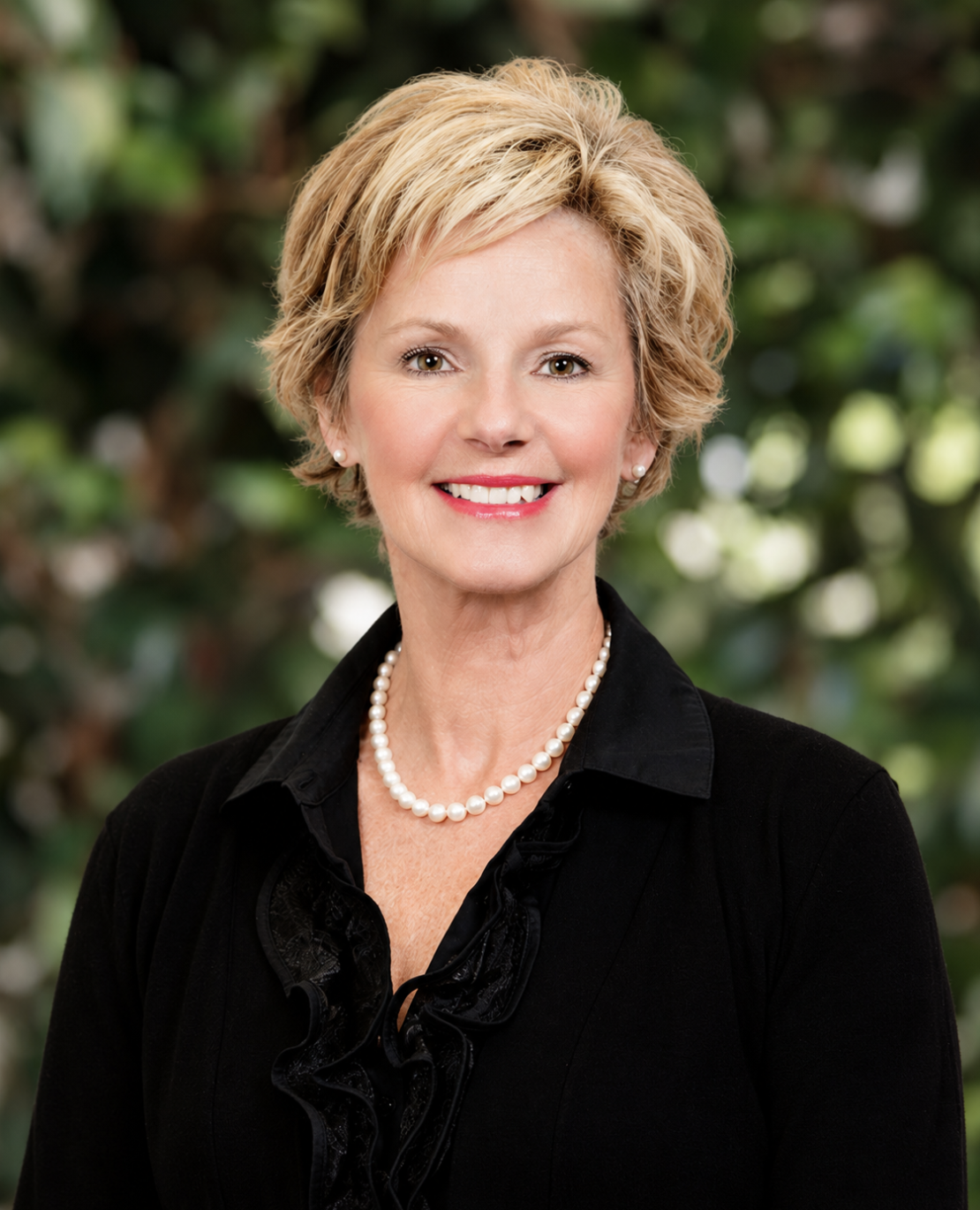
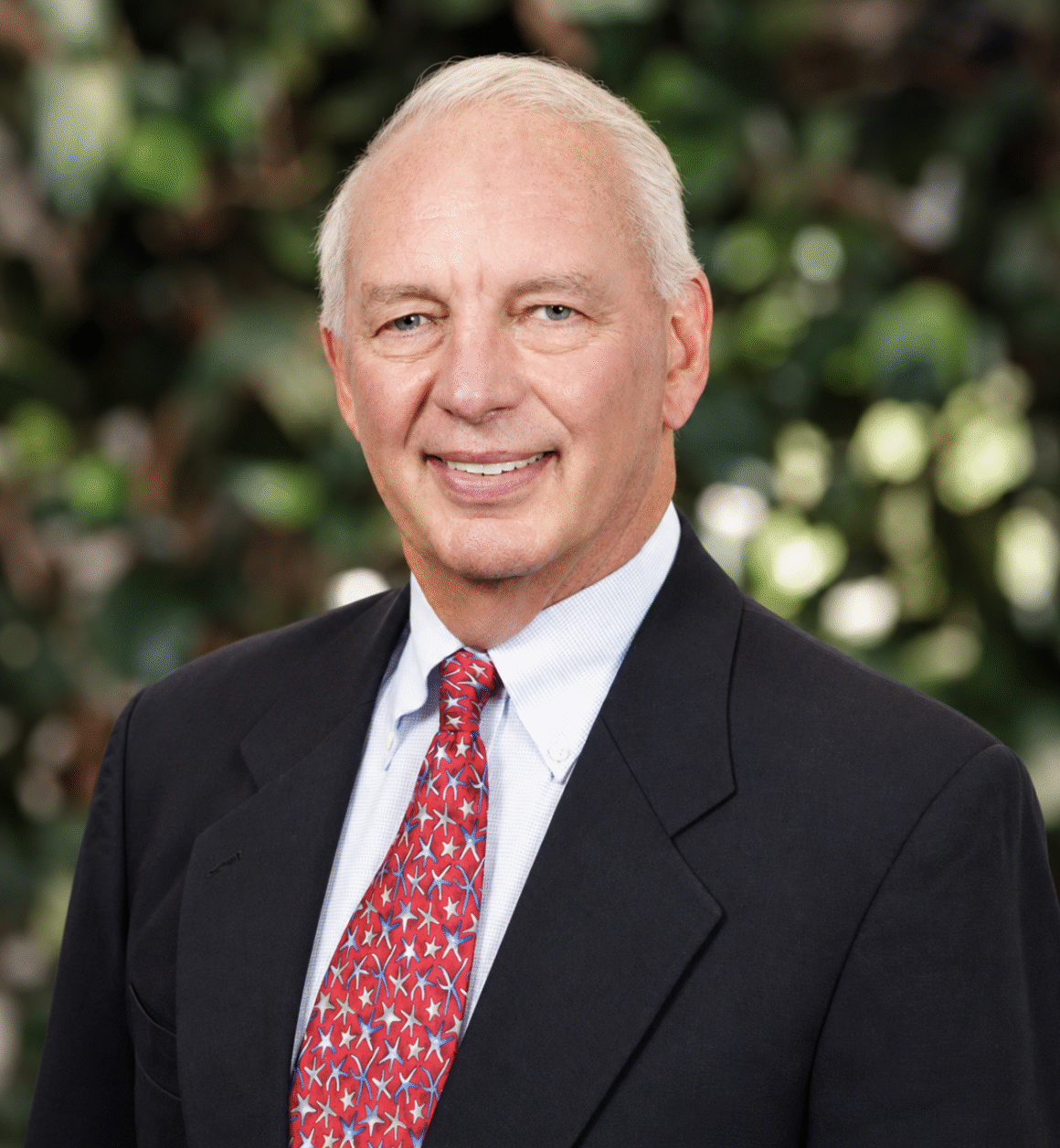
From left to right: Bob Webster, Deb Schroeder, Steve Beers
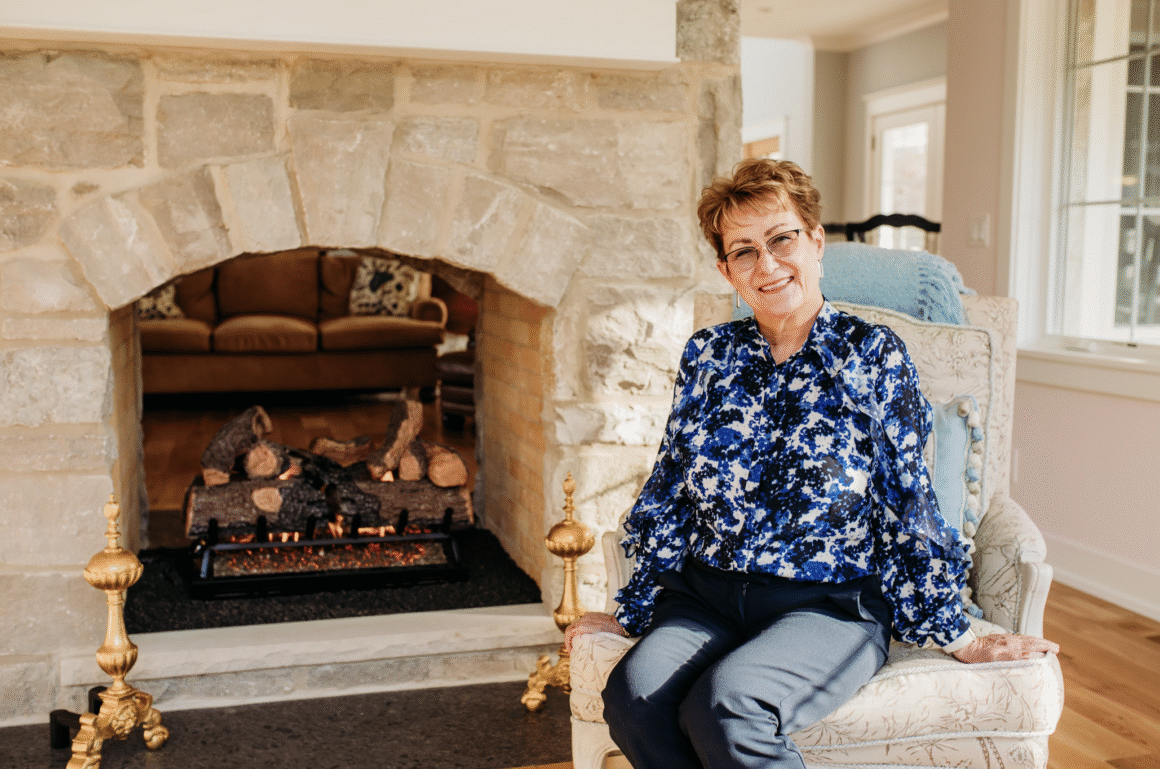

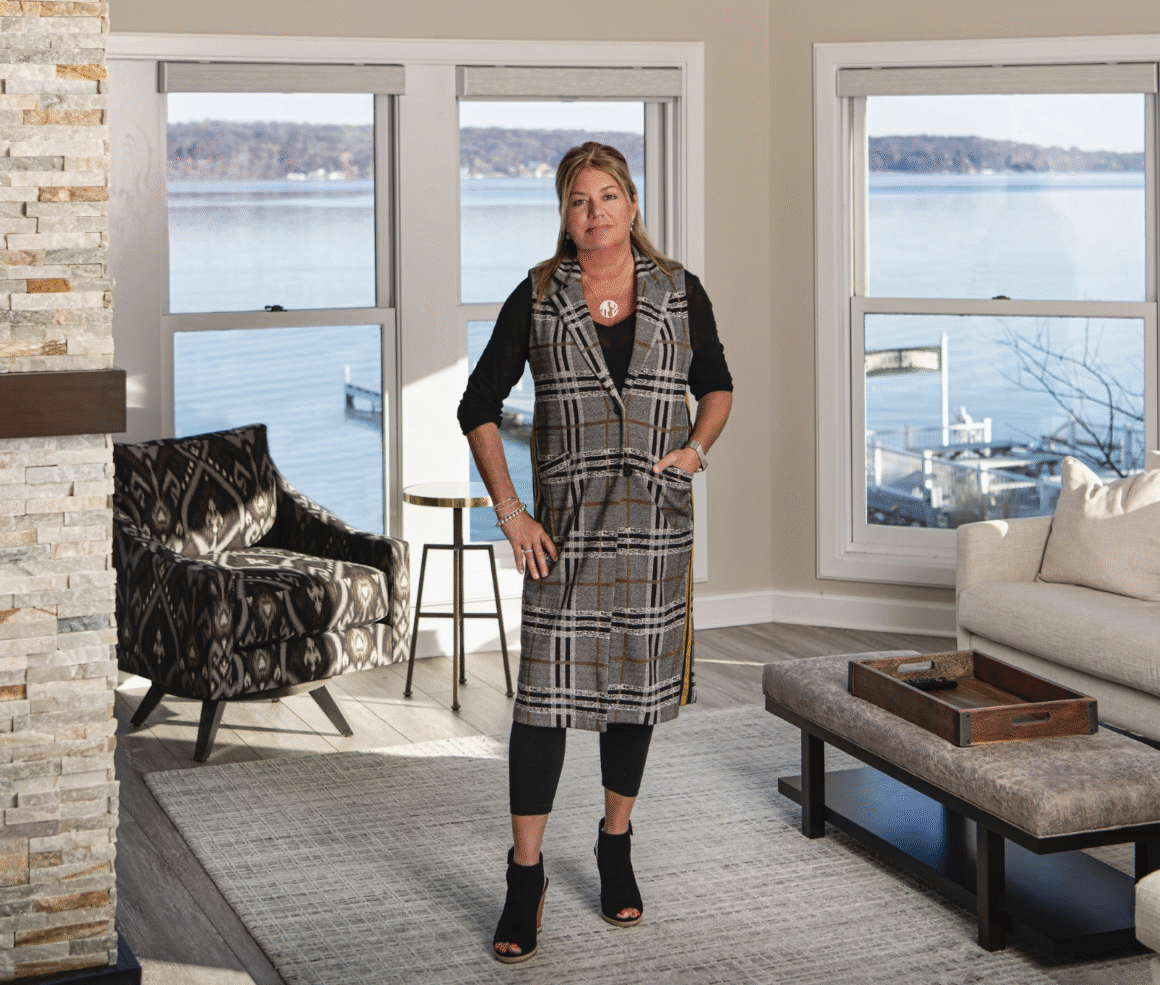
Left to right: Marcy Hammett, Linda Tonge, Tricia Forbeck
Beers remembers walking through lakefront homes with longtime Keefe agent Jack Kuchel, who could recall selling one in 1952 for $25,000 and another for $18,000. Webster remembers when MLS listings arrived on individual sheets of paper that agents snapped into three-ring binders. Hammett remembers cutting listings out of MLS books, taping them onto paper, making copies and mailing them to clients. Tonge remembers driving to Illinois to get her first offer signed in person because her clients didn’t fax.
They have worked through interest rates in the high teens, the arrival of the internet, changing markets and changing expectations. They’ve watched the tools of the business transform and the communities around them grow. Five years ago, they experienced another significant change when Keefe Real Estate became part of Compass. Through all of it, what they remember most isn’t a particular sales year or a piece of technology. They remember people.
The People Who Showed the Way
There is no single story of how a real estate career begins. For Hammett, it began behind the front desk. Fresh out of college in 1980, she was waiting tables at Popeye’s when she regularly served Mike Keefe and the groups he brought in for lunch. Keefe knew Hammett’s father and eventually called him to ask whether his daughter might be interested in coming to work for the company. She started as a receptionist. By 1983, she had other ideas. “I didn’t want to be typing for other people for the rest of my life,” Hammett says. She got her real estate license and moved into sales, eventually working out of Abbey Springs as new construction there was taking shape alongside existing homes.
Webster’s entrance into the business was similarly unplanned. In 1978, he was a college student, tending bar in the summers, when his father, already in real estate, suggested it might be time to think seriously about what came next. Webster’s initial reaction was, “Real estate, shmeal estate.” His father persisted. Webster earned his license and started working alongside him on July 4, 1978. He never returned to college for his senior year. This year marks his 48th in the business.
Tonge took another route. Born in the area, she spent 20 years living in New York City before returning with children and looking for a career that wouldn’t require flying back and forth to New York. Her pastor suggested real estate. She took his advice. Before she’d even taken her first licensing exam, Beers called to ask if she might be interested in Keefe. She joined in 1998.
For Balestrieri, there was never much distance between real estate and family life. His grandfather and uncle were real estate developers, and his father was a prominent local architect. As a boy, he followed his father from job site to job site. “Real estate was in my blood,” he says.
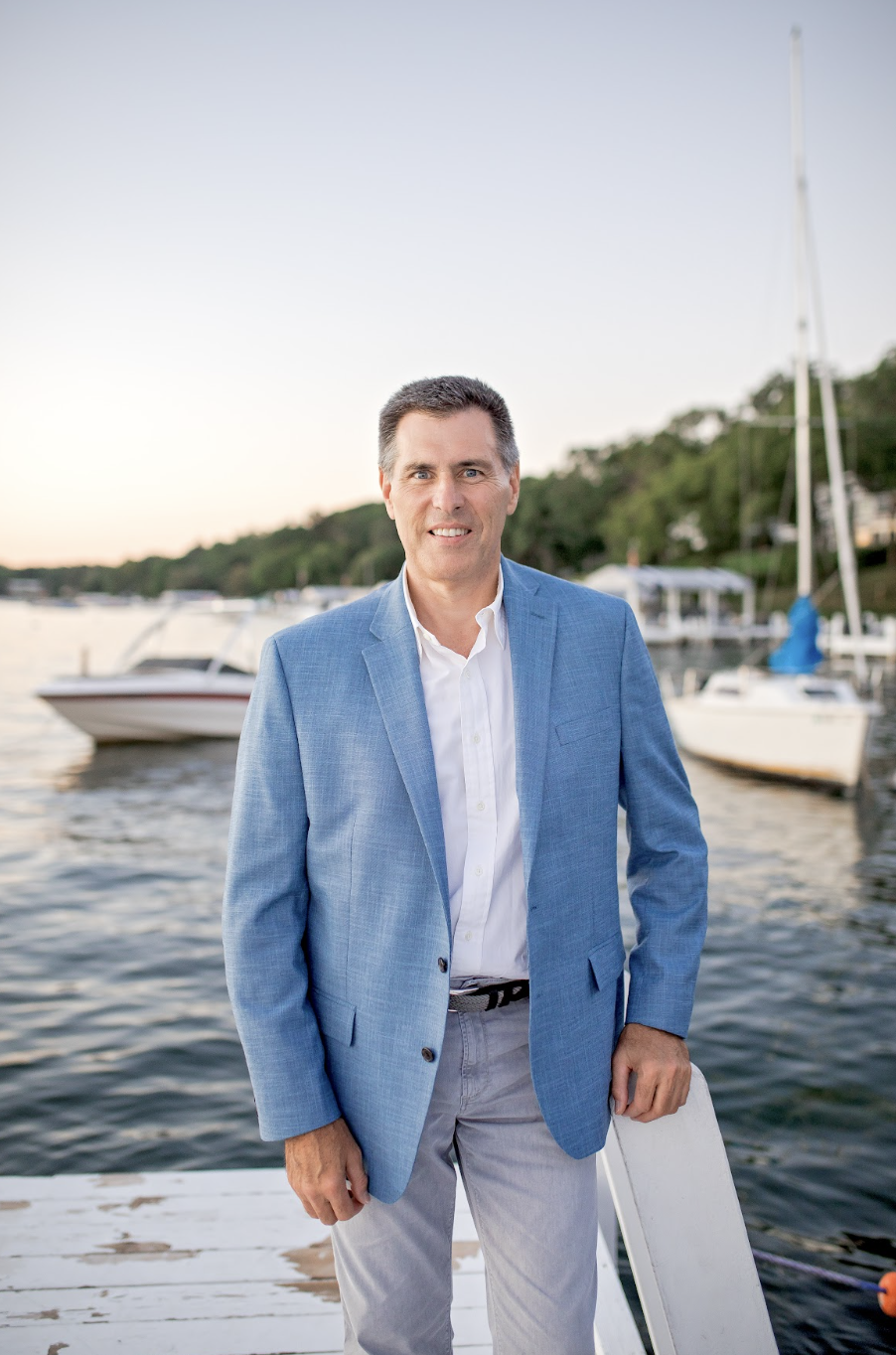
Mick Balestrieri
Forbeck entered the business nearly 20 years ago, already familiar with Beers and many of Keefe’s agents. She wanted to be at what she saw as the area’s number one brokerage. Once there, she remembers sitting in Tuesday morning meetings listening to established lakefront specialists like Joan Freytag, Mary Killarney and Nancy Lehman. “I just remember thinking, ‘Wow, how do they do it?’” Forbeck says. She came to think of them as mentors.
As different as their beginnings were, the stories soon start to overlap. Nearly everyone can point to somebody who took an interest in them, answered their questions, or taught them something they carried forward.
Schroeder remembers arriving in the area as a newly licensed agent without the local connections many established agents already had. She initially interviewed at Keefe and wasn’t hired. Instead, she went down the street to Rich Port, where a group of agents welcomed her. They drove her around the lake. They showed her the subdivisions. They helped her understand the differences among communities that, to an outsider, might have seemed interchangeable. “They were like my heroes,” Schroeder says. When many of those agents eventually began moving to Keefe, Schroeder followed. Nearly five decades later, one of them, Webster, still sits next to her in the office. Over the years, the two have referred clients to one another based on their individual expertise: Webster became someone Schroeder could turn to for lakefront business; he could rely on her knowledge of Geneva National. Knowing when another agent understands a property or community better, and trusting that person enough to make the referral, is part of serving a client well.
Tonge remembers that same willingness to help. In her early years, when she found herself writing an offer late at night and needed guidance, longtime agent Nancy Swatek was someone she could call, even at 11 p.m. “People were helpful,” Tonge says. “It was a good company for that.”
Hartley found that collaborative spirit when she joined Keefe in 2007. Agents Forbeck and Martha Cucco became important early influences, sharing information, answering questions, and showing Hartley the value of good relationships with the people who were technically her competitors. Before joining, Hartley had heard Keefe described as a “shark tank.” Her experience was the opposite: “It was family,” she says. “It had deep family roots.”
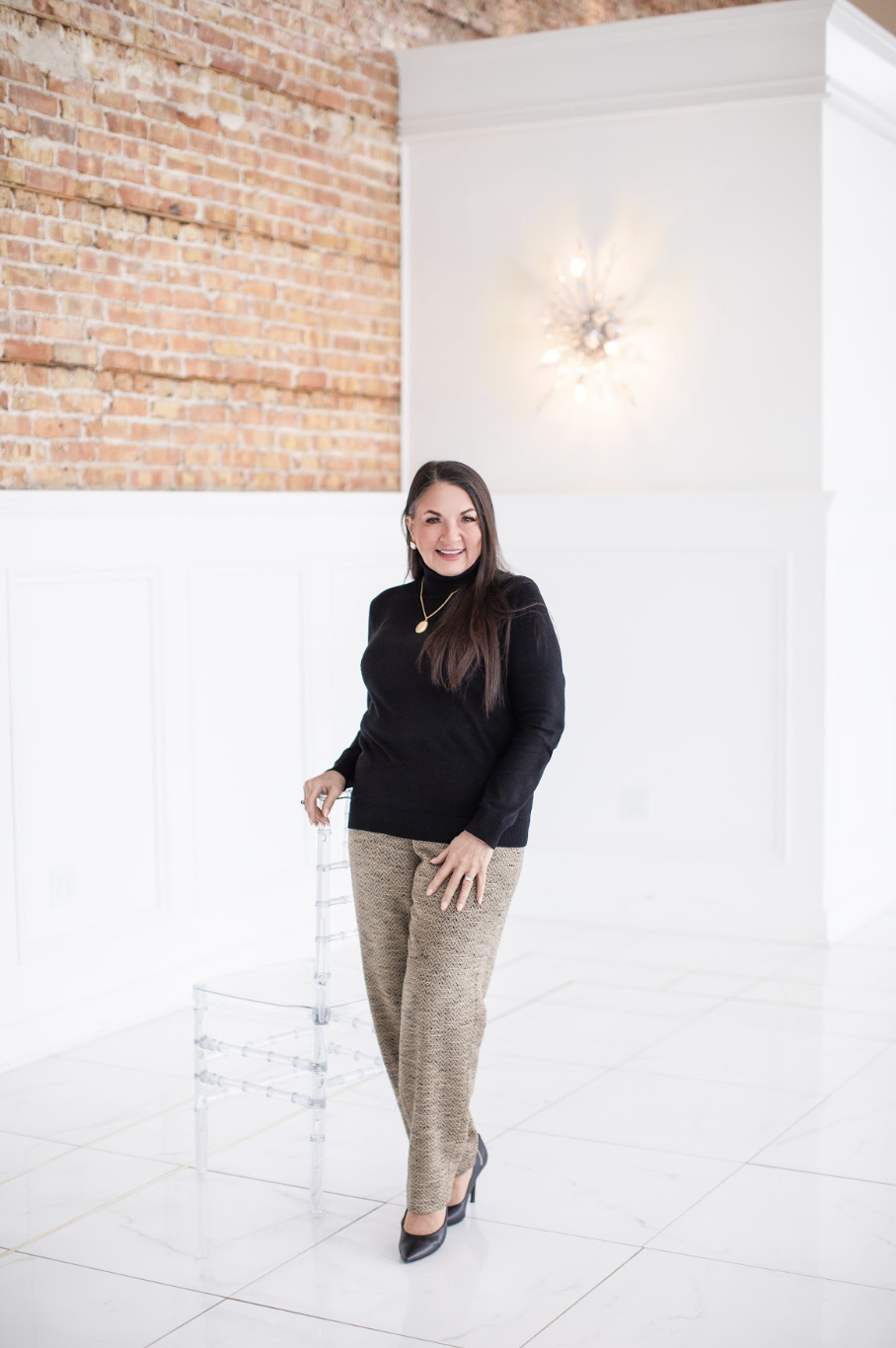
Janis Hartley
Forbeck uses the same word. Asked what she is most grateful for from her Keefe years, she doesn’t mention production or a particular transaction. “The friendships,” she says. “Just the friends.” She remembers crowded Tuesday meetings, agents piling into cars together for property tours and a culture in which information was shared even within a competitive business.
Beers remembers those roots stretching back to an earlier version of the company. When he joined around 1977, residential sales represented only one part of a Keefe operation that also included farm auctions, agricultural real estate, credit and farm management.
What helped him find his footing were the people around him. Today, some of his greatest satisfaction comes from seeing agents find financial and personal success, then watching their children and grandchildren enter the industry and build careers of their own. “It’s really heartwarming to see that,” he says.
What Survives Change
Anyone who has spent several decades in real estate has also spent several decades adapting. Webster remembers deciding in the 1990s that he wanted to invest several thousand dollars in his own website. His boss advised him against it. The internet, Webster was told, might be overblown. That conversation helped convince him it was time to make a move. When his noncompete expired, Webster called Beers at Keefe and asked whether there might be a desk available: “Come on over,” Beers told him. “We’re putting a nameplate on a desk right now.” For years, Keefe had been Webster’s competition and, in his estimation, the company to beat. When it came time to change companies, he says he didn’t call anyone else.
The technology kept changing, of course. So did the business. When Keefe joined Compass, the shift felt significant to agents who had spent much of their careers with a local company whose history stretched across generations. Five years later, they’re candid about the fact that they didn’t all experience the transition in the same way.
Schroeder remembers the announcement as difficult and the early transition as disorienting. Hartley remembers being told the amount of information would feel like “drinking water out of a firehose.” Hammett had reservations of her own, particularly about the technology.
Forbeck, however, was excited. As much as she loved Keefe, she believed the company was falling behind technologically and saw Compass as an opportunity to change that. “I felt we needed to step up technology,” she says. “That was so important, and has been, and is.”
Tonge understood both sides of that shift. She had begun her career in the era of fax machines, newspaper advertising, and paper files. Compass suddenly offered a vast amount of technology, marketing and information. The possibilities were valuable, but navigating all of them could be daunting. Her solution was collaboration. Tonge began working closely with Philip, a younger colleague whose strengths in technology, research, and marketing complement her own experience. Time changed some of the others’ perspectives, too.
Schroeder began finding programs and tools that made her work easier. More importantly, she believes some of the values she associated with Keefe have gradually found a place within the Compass chapter. “I’m grateful that we’ve really tried to merge some of the values of Keefe Real Estate with Compass,” she says. “It just took time.”
Hartley also found her footing, attending Compass retreats and events and becoming involved early with Compass Resort, a network of agents specializing in luxury resort communities.
Beers views the technological evolution from a particularly long vantage point. He’s impressed by what Compass technology can do, but remains convinced that the fundamentals matter more. Education, knowledge and esprit de corps, he says, “trump everything.”
Hammett has found her own way to combine old and new, partnering with Jacob Cobian on listings. He brings technological fluency; she brings decades of client relationships and market experience.
Balestrieri makes a similar distinction. He appreciates new marketing and technology, but neither has replaced the part of the job he values most. “I love the face time with my clients,” he says.
For Hartley, the constant has been connection. “I don’t count the volume, I count the transactions, I count the connections,” she says.
It is difficult to hear these agents talk for long without coming back to that idea. The mechanics of selling real estate have changed enormously. The reasons clients return to someone have changed much less.
What We Leave Behind
After enough years in the business, a career starts to reveal itself in ways that have little to do with an annual sales total. Schroeder can trace entire circles of friendships back to clients she first helped in Geneva National. A couple would buy, then send friends or relatives her way. Those introductions grew into groups of clients who still stay in touch with her. “To have people have enough confidence in you to bring their good friends in and buy something also, does it get any better than that?” she says. “I don’t think so.”
Tonge has experienced her own version of that long arc. One couple searched on and off with her for somewhere between 15 and 18 years before eventually purchasing a home on Powers Lake. Over time, many of her clients have become friends and, through Tonge, friends with one another. “There’s a whole pack of them now after 28 years of people that enjoy each other and are lifetime friends,” she says. “It’s a real blessing to be involved with these people.” Some relationships become generational.
Forbeck has now worked with three generations of the same families. “Loyalty in real estate is the biggest thing,” she says. “It’s the most, I think, important.”
Hartley describes that trust in even more personal terms. “I think one of the most trusting things a person can do is put their child in your hands,” she says. When a longtime client asks her to guide a son or daughter through a major purchase, she feels the weight of that recommendation.
Webster has watched one such relationship span much of his career. Early on, he met a buyer named Ron Satrell, who later became a client. Today, Satrell’s son Frank is one of Webster’s closest past clients and best friends. Stories like that matter to him more than the awards he’s accumulated. “If you’re talking about my legacy, it’s just being a nice guy, being an honest guy, never looking at anybody with commission dollars in your eyes and knowing you’re in this for the long haul,” Webster says.
Hammett hopes her reputation, particularly among other real estate agents, is that she has been fair, honest, open, and cooperative. She has never wanted to be the slick salesperson with the perfect script. Her daughter once offered an even simpler version of the same philosophy: “Mom, don’t ever stop being you.”
Tonge wants to be remembered as someone who was available, thorough, and willing to connect people. “My legacy would be thankfulness,” she says. “I’m very thankful for my journey, I’m thankful for my connections and what has happened in my life.” Hartley thinks about legacy from another angle. Before considering what she might leave behind, she thinks about what was left for her. She talks about the “giants” of the industry who came before her and the colleagues who helped establish the standards she later tried to follow. “We do not do any of this alone. We don’t create our own success.”
Perhaps nowhere is this idea clearer than in a piece of advice Forbeck still remembers from early in her career. Tonge told her to go out and look at the company’s listings so that when she was on floor duty, she knew the inventory. Forbeck took it to heart. Nearly 20 years later, it is the same advice she would give a new agent: know what’s active, know what sold and for how much, and if you don’t know an answer, say so and find it. The lesson traveled from one agent to another. Now Forbeck passes it on. That is perhaps what legacy looks like in a business so closely tied to change.
At some point, the person learning becomes the person someone else is learning from. The industry these agents entered no longer exists in the same form. Neither does the Keefe Real Estate they first joined. The tools are different, the pace is different, and the name on the door is different. What remains is harder to see. It’s in the client who calls again 10 years later. The son or daughter who arrives because a parent made an introduction. The agent who asks a longtime colleague for advice. The younger professional who learns something from the person at the next desk, then carries it into a career of their own.
As Compass marks five years in Wisconsin, these stories offer a different way of thinking about an anniversary. Five years is one milestone. The relationships behind it stretch back decades.
Schroeder hopes the years ahead remember that “it’s not always about numbers, it’s about relationships.” Hartley hopes real estate never loses its humanity. Whether the property is a major commercial development or a one-bedroom condominium, she says, there are people behind the doors. That part of the business has survived every other change these agents have seen. And after all these years, it may be the part most worth carrying forward.