

8 Steps to Updating a Home Without Erasing What Makes It Special
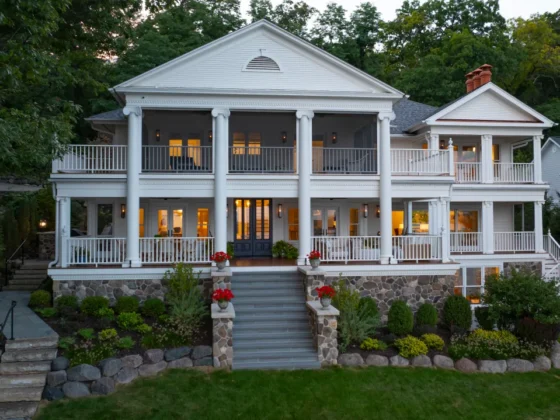
Every home tells a story. In Walworth County, some have been telling theirs for more than a century. From grand lakefront estates and turn-of-the-century cottages to farmhouses tucked into the countryside, many of the area’s most memorable homes possess something that can’t simply be ordered from a catalog: character. Original millwork, hand-laid stone, hardwood floors, built-ins and perfectly imperfect details connect today’s homeowners to generations that came before them. But even the most beloved homes need to evolve. The challenge is knowing what to change, what to protect and when to reimagine something entirely. Whether you’re embarking on a full-scale renovation or simply considering a home’s next chapter, these eight steps will help ensure that what makes it special isn’t lost along the way.
Take Inventory Before You Demo
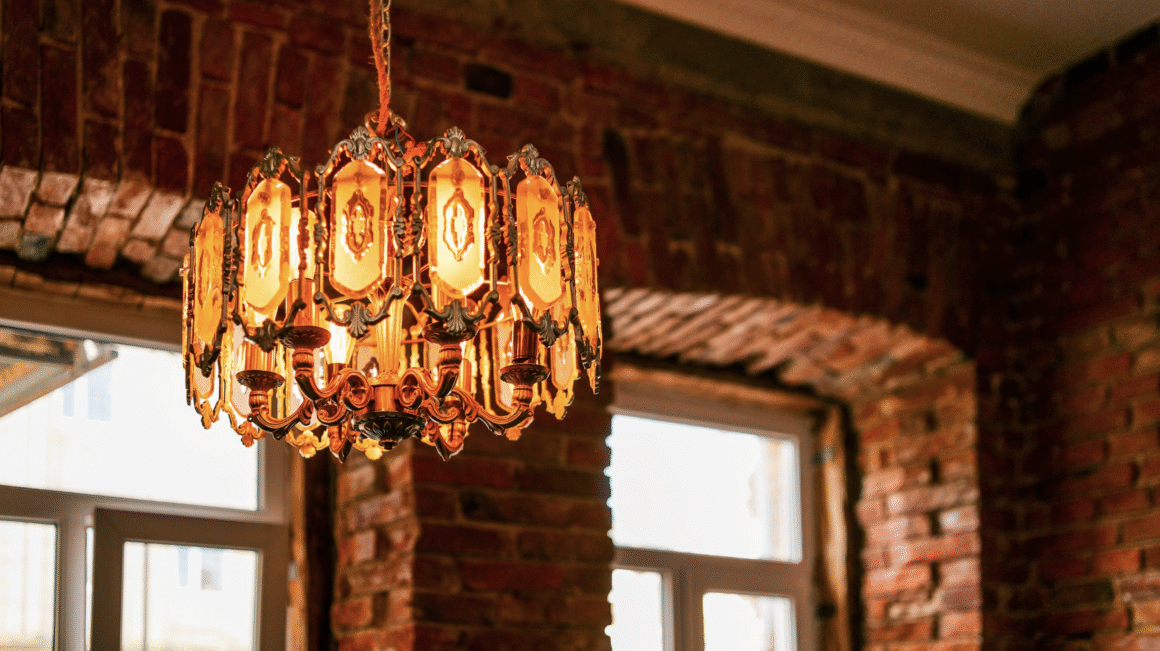
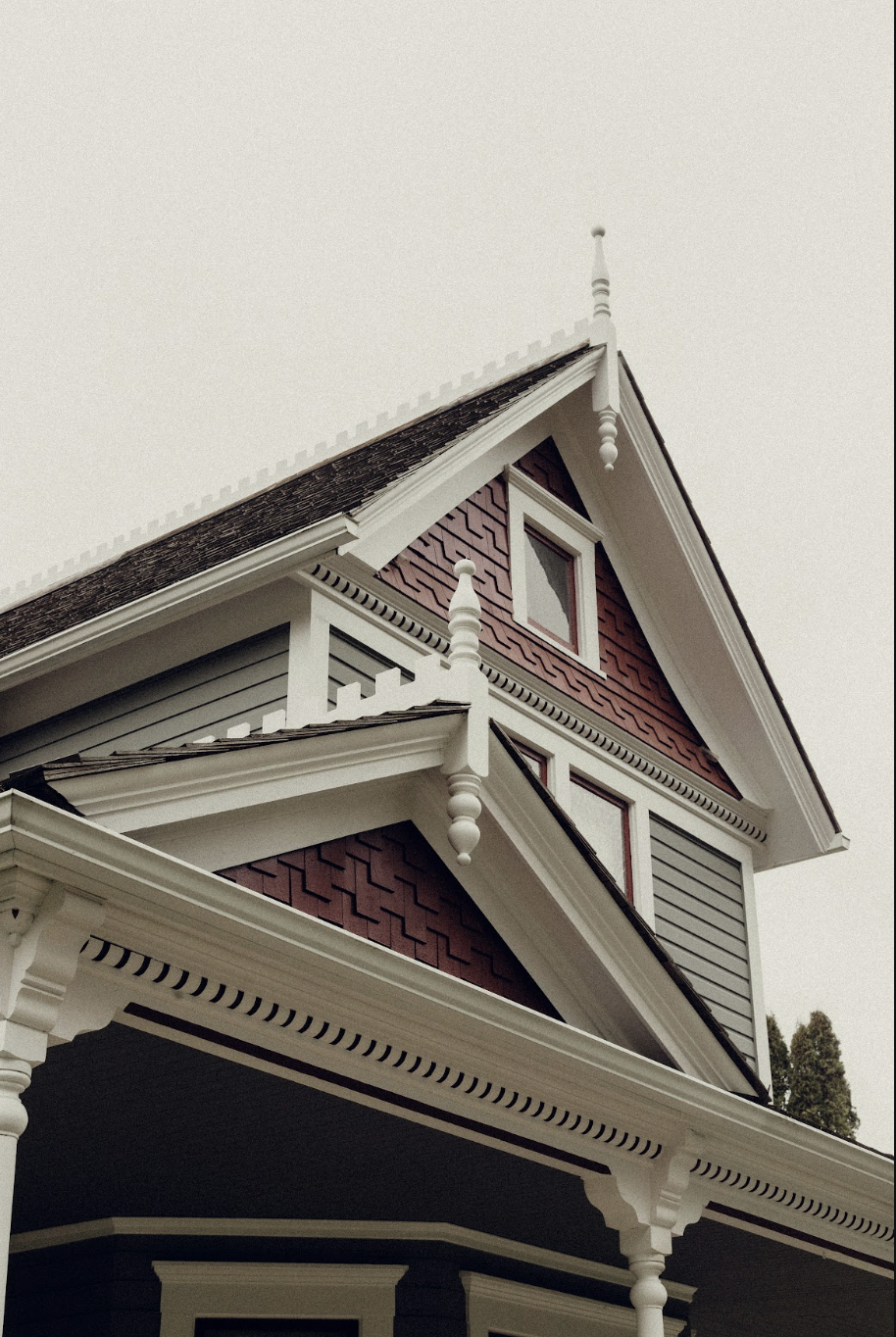
Before swinging the first hammer, spend time understanding what you already have. Walk through the home specifically looking for original features and craftsmanship. Hardwood flooring, millwork, built-in cabinetry, doors and hardware, stone fireplaces, leaded glass, exposed beams and masonry may be easy to overlook when you’re focused on what needs updating. Document these elements and determine which contribute to the home’s architectural identity. A little restraint at the beginning can prevent regret later.
Know What You Can’t Replace
Old doesn’t automatically mean valuable. Certain materials and craftsmanship can be extraordinarily difficult and expensive to reproduce. Before removing an original feature, ask one simple question: Could we ever authentically put this back? If the answer is no, consider getting a second opinion. An architect, designer or skilled craftsman can help identify elements worth preserving, while a trusted Compass real estate advisor can offer another valuable perspective—particularly when considering how a renovation may influence a home’s character, marketability and long-term value. Restoration may sometimes require more creativity, but irreplaceable details are often what separate a home with character from one that simply looks new.
Modernize What Matters
Preservation doesn’t require living in the past. Behind beautiful historic details may be outdated electrical systems, aging plumbing, inefficient heating and cooling or inadequate insulation. Updating these less glamorous components can dramatically improve a home’s comfort, safety and longevity without changing its visual character. Prioritizing infrastructure also creates a better foundation for the more exciting design decisions to follow.
Let the Architecture Lead
Before choosing finishes or designing an addition, look to the home itself for direction. What materials repeat throughout the property? What are the proportions of its windows and doors? Which details immediately reveal where—and perhaps when—you are? New elements don’t need to perfectly replicate the original architecture, but they should feel like a thoughtful continuation of it. Let the home’s existing vocabulary influence cabinetry, flooring, lighting, exterior materials and even the scale of new spaces.
Make Modern Living Fit
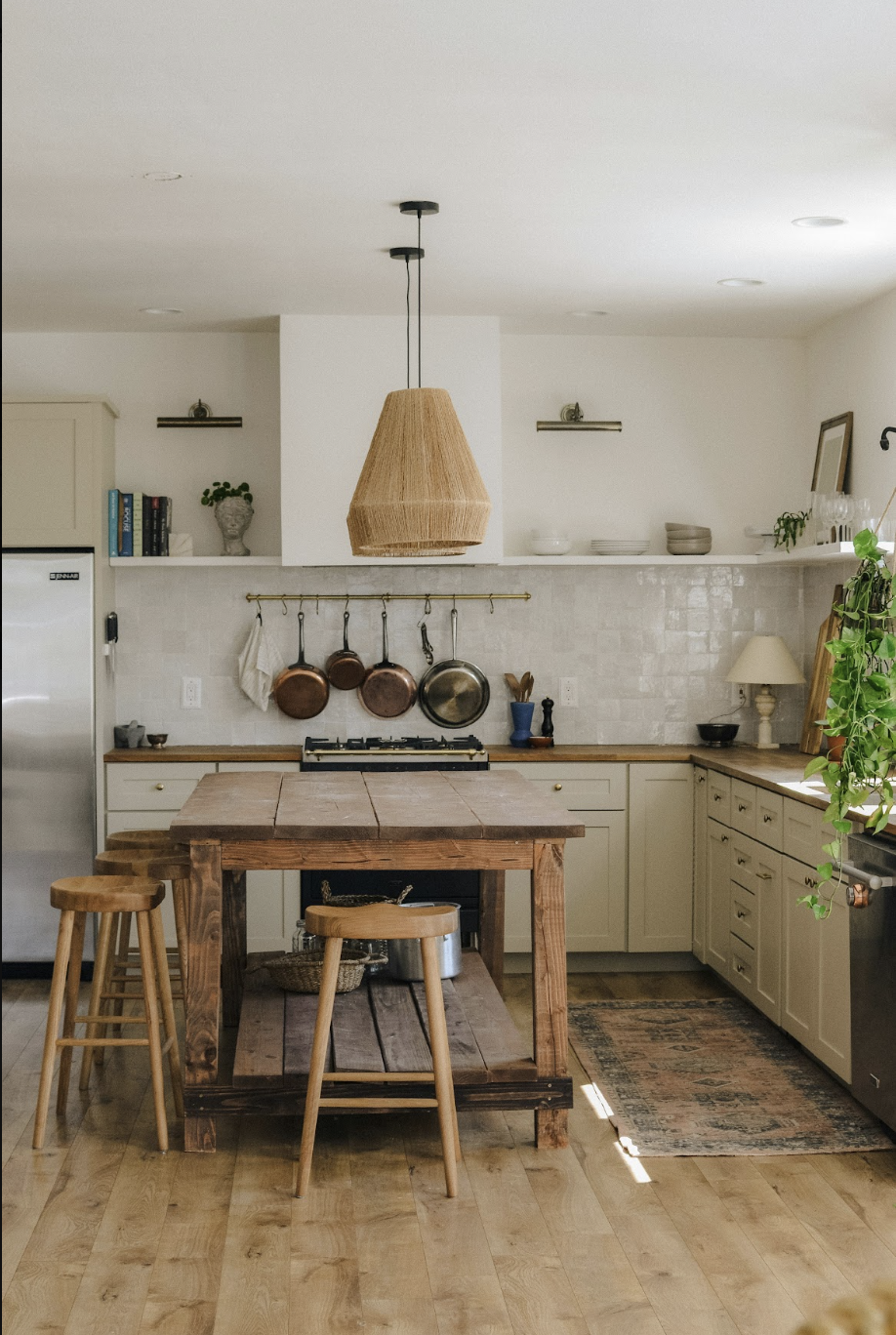
Families live differently than they did 50 or 100 years ago. Kitchens have become gathering places, indoor and outdoor living are increasingly connected, and flexible spaces often need to serve multiple purposes. A thoughtful renovation finds ways to accommodate those needs without eliminating the home’s original layout. Opening a doorway rather than an entire wall, repurposing an underused formal room or creating better flow between existing spaces may provide modern functionality while preserving architectural character.
Know When to Reimagine
Preserving a home doesn’t mean protecting every decision ever made within it. Older properties often carry layers of renovations from previous decades. Poorly planned additions, altered architectural details or spaces that no longer function may present opportunities to reimagine the property—and sometimes even restore elements of its original character. The question isn’t whether change is allowed. It’s whether the change makes the home more worthy of enduring.
Choose Timeless Over Trendy
A major renovation can represent years of planning and a significant financial investment. Designing entirely around today’s trends can make those choices feel dated surprisingly quickly. For the hardest and most expensive elements to change, look toward materials and principles that have already proven their longevity: natural stone, quality woodwork, thoughtful proportions and enduring craftsmanship. Then have fun with the layers that are easier to evolve. Paint, lighting, furnishings and accessories can bring in personality and current trends without permanently altering the home’s bones.
Leave a Worthy Next Chapter
Owning a home with history comes with an unusual privilege. For a period of time, you become its steward. Your chapter doesn’t have to look exactly like the one before it. Homes should evolve alongside the people who live within them. Whether you’re renovating for your next chapter, preparing a home for the next generation or considering its future in the market, surrounding yourself with trusted advisors—from architects and designers to craftspeople and real estate professionals—can help ensure today’s decisions honor both the home’s history and its future.
The most successful renovations create a conversation between past and present—preserving the craftsmanship and character worth carrying forward while making room for another generation of life. Because sometimes the best legacy isn’t leaving a home exactly as you found it. It’s leaving it even more worthy of being loved next.